You Won’t Believe What Bishkek’s Street Food Scene Actually Tastes Like
When I first stepped into Bishkek, I expected mountains and history—but not how deeply the food would hit my soul. From smoky kebabs at dawn to flaky samsa fresh from the tandoor, every bite told a story. This city doesn’t just feed you; it welcomes you. If you think Central Asian cuisine is just meat and dough, trust me—you’re in for a wild, delicious surprise. The flavors are rich, layered, and deeply tied to tradition, yet full of quiet innovation. For travelers seeking authenticity, Bishkek’s street food offers an intimate gateway into Kyrgyz culture, where meals are shared with warmth, pride, and generosity.
First Impressions: How Bishkek Greets You with Flavor
From the moment you step off the plane or arrive by bus, Bishkek wraps you in a tapestry of sensory experiences. The city does not shout; it hums with a quiet energy, where life unfolds in markets, courtyards, and roadside stalls. But more than anything, it is the smell of food that greets you—wood smoke curling from street grills, the warm aroma of freshly baked bread, and the tang of fermented dairy products carried on the breeze. These scents are not background noise; they are the city’s heartbeat, pulsing through its neighborhoods and drawing you in.
Food in Bishkek is not merely sustenance—it is an expression of Kyrgyz identity and hospitality. In a culture where guests are considered a blessing, offering food is a sacred gesture. Whether it’s a grandmother pressing a steaming piece of samsa into your hand or a street vendor insisting you try a spoonful of homemade kumis, the act of sharing food is deeply personal. There’s no pretense, no performance for tourists. Meals happen naturally, often spontaneously, and always with sincerity.
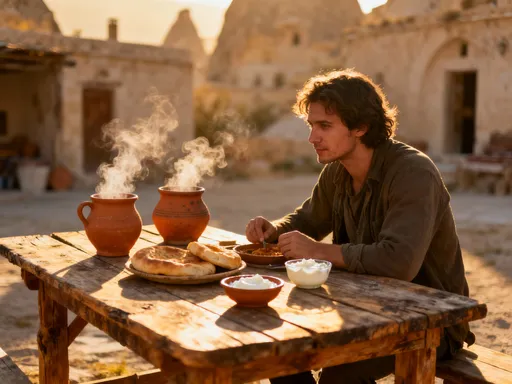
What makes dining in Bishkek so unique is the absence of barriers between cook and eater. Unlike in many tourist-heavy cities where experiences are curated, here the culinary world remains largely unchanged by outside influence. You won’t find staged food shows or overpriced tasting menus designed for Instagram. Instead, you’ll sit on a wooden bench beside a local worker enjoying his lunch, or squeeze into a corner of a bustling canteen where families gather after Sunday prayers. This is food as it’s meant to be—honest, nourishing, and deeply connected to community.
Must-Try Dishes: Beyond Plov and Manty
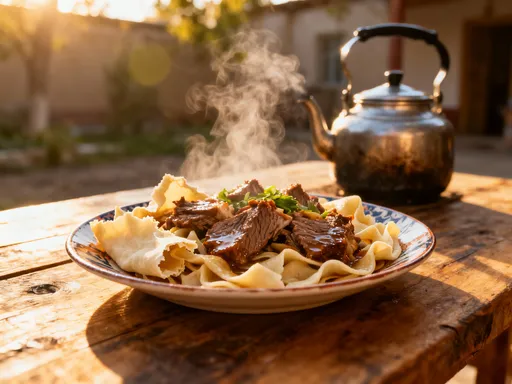
While plov and manty have earned well-deserved fame across Central Asia, Bishkek’s culinary landscape runs much deeper. To truly understand Kyrgyz cuisine, one must explore its heart: beshbarmak, the national dish, which translates to “five fingers,” a nod to the tradition of eating it by hand. This hearty meal features tender boiled meat—usually lamb or beef—served over wide, hand-rolled noodles and topped with an onion-rich broth called *tuzdyk*. It’s often reserved for special occasions, and being invited to share beshbarmak is a sign of respect and friendship.
Another staple worth seeking out is kuvurma, a slow-cooked meat stew that varies by region and season. In colder months, it’s made with fatty cuts of lamb, simmered for hours with potatoes and carrots until the flavors meld into a comforting, savory depth. Some versions include dried apricots or prunes, adding a subtle sweetness that balances the richness. Kuvurma is typically served in deep bowls with a side of fresh bread, perfect for soaking up every last drop of sauce.
For something lighter but equally satisfying, try chuchuk—thinly sliced, sun-dried meat that’s been cured and sometimes lightly smoked. It’s often eaten as a snack with tea or added to soups for extra flavor. Despite its simplicity, chuchuk carries centuries of tradition, born from the nomadic need to preserve food during long migrations across the high pastures. Today, it remains a symbol of resilience and resourcefulness, a reminder of how Kyrgyz food culture evolved in harmony with the land.
Seasonality plays a crucial role in what’s available and how dishes are prepared. In spring, you might find fresh greens like sorrel and dill used in soups and salads. Summer brings an abundance of tomatoes, cucumbers, and herbs, often served raw with creamy ayran or sour cream. Autumn is harvest time, marked by jars of pickled vegetables, dried fruits, and the preparation of winter stores. Even street food shifts with the seasons—warm, filling dishes dominate in winter, while lighter, grilled options appear when temperatures rise.
When dining like a local, etiquette matters. Always accept food when offered, even if just a small portion. It’s polite to eat with your right hand when possible, especially when sharing from a communal plate. And never rush—meals are meant to be savored, not rushed. If you’re invited into a home, bring a small gift, such as fruit, sweets, or bread, as a token of appreciation. These gestures, though simple, go a long way in building trust and connection.
Where the Locals Eat: From Soviet-Era Canteens to Modern Cafes
To taste Bishkek as the locals do, you must venture beyond the polished restaurants near Ala-Too Square and explore the city’s everyday eateries. The most authentic experiences often happen in unassuming places: Soviet-era canteens known as *stоловые* (stolovayas), family-run kitchens tucked into apartment buildings, or roadside stalls with plastic stools and laminated menus. These spots serve generous portions at low prices, drawing office workers, students, and elders alike.
One of the most beloved stolovayas in the city operates much as it did decades ago—long counters display glass-covered trays of daily offerings: steaming pots of soup, trays of manty, and stacks of fresh lepyoshka bread. You point, you pay, you eat. There’s no frills, no waiting for a table—just efficient, comforting food. These canteens are more than places to eat; they are social hubs where people from all walks of life cross paths, sharing space over bowls of noodle soup and cups of strong black tea.
At the same time, a new generation of Bishkek restaurateurs is reimagining Kyrgyz cuisine with subtle modern touches. Contemporary cafes blend traditional recipes with global influences—think manty filled with pumpkin and cheese, served with a dill yogurt sauce, or beshbarmak reinterpreted with free-range beef and organic herbs. These spaces often feature warm lighting, handmade ceramics, and menus in both Kyrgyz and English, making them accessible to curious travelers while still honoring local roots.
What unites both old and new dining spaces is a commitment to authenticity. Even in modern establishments, chefs emphasize locally sourced ingredients, traditional cooking methods, and respect for cultural heritage. For visitors, this means you can enjoy comfort and cleanliness without sacrificing the soul of the cuisine. The key is balance—finding places that preserve tradition while offering a welcoming environment for those unfamiliar with Central Asian food.
The Market Experience: Osh Bazaar as a Culinary Heartbeat
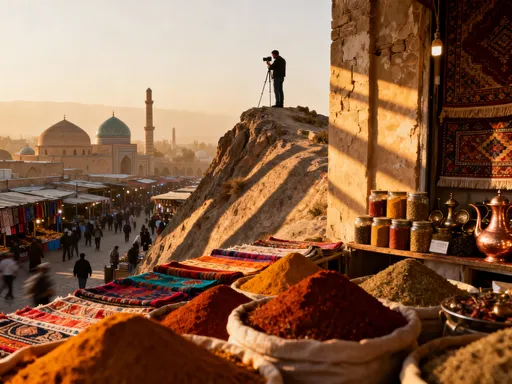
No visit to Bishkek is complete without a walk through Osh Bazaar, the city’s largest and most vibrant market. More than just a place to buy food, Osh Bazaar is a living museum of Kyrgyz culinary life. Spread across several blocks, it pulses with activity from early morning until dusk. The air is thick with the scent of spices, grilled meat, ripe melons, and fresh herbs. Vendors call out their prices, children weave through the crowds, and elders haggle over the price of sausages and pickles.
As you wander, you’ll encounter stalls piled high with dried fruits—apricots, raisins, figs—some still dusted with the sugar from natural fermentation. Spices are sold in bulk: bright red paprika, golden turmeric, and fragrant cumin, all displayed in open sacks that invite you to lean in and inhale. Butchers proudly display cuts of lamb and horse meat, while dairy sellers offer bowls of creamy kaymak, sour qurut balls, and fresh suzma cheese wrapped in cloth.
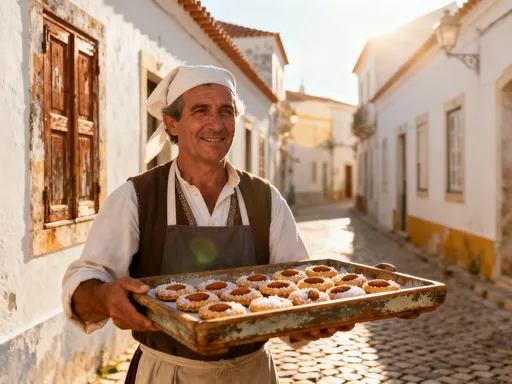
One of the most iconic sights is the row of tandoor ovens, where bakers pull round, golden lepyoshka bread from clay ovens using long metal hooks. The bread is still warm, its surface stamped with decorative patterns and sprinkled with sesame or nigella seeds. Buying a loaf here isn’t just a transaction—it’s a ritual. The baker might wipe his hands on his apron, smile, and hand you the bread with both hands, a small but meaningful gesture of respect.
For first-time visitors, navigating the market can feel overwhelming. The best approach is to go with curiosity and an open mind. Start by observing what locals are buying. If you see a stall crowded with people, it’s likely a good sign. Don’t be afraid to point or use simple words like “bir” (one) or “tushunbaym” (I don’t understand). Many vendors appreciate the effort, even if your Kyrgyz is limited. A few polite phrases—“Salem,” “Rakhmat” (thank you)—can open doors and lead to unexpected kindnesses, like a free sample of honey or a tip about the best samsa vendor.
When sampling, start small. Try a piece of fresh samsa—baked pastry filled with spiced meat and onions—or a cup of hot shorpo, a clear mutton soup served in disposable bowls. If you’re feeling adventurous, taste kymyz, the fermented mare’s milk that’s both refreshing and slightly effervescent. It’s an acquired taste, but drinking it is a way to connect with centuries of nomadic tradition. Always carry small bills, as many vendors don’t have change for larger notes, and avoid touching food with your hands unless it’s handed to you directly.
Tea Culture and Social Dining: More Than Just a Meal
In Bishkek, tea is more than a drink—it’s a symbol of hospitality, connection, and rhythm. Green tea, served in small glasses with a slice of lemon or a spoonful of jam, is the centerpiece of nearly every social interaction. Whether you’re visiting a home, closing a business deal, or simply stopping by a friend’s office, tea will be offered, often within minutes of your arrival. The ritual is slow and deliberate: the host pours the tea, waits for it to steep, and serves it with quiet pride.
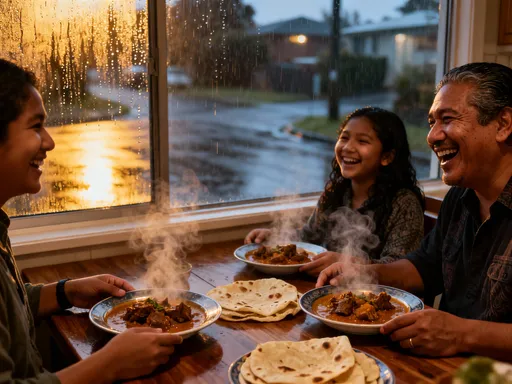
Meals in Kyrgyz culture unfold at their own pace. There’s no rush to clear the table or move on to the next activity. Instead, time stretches out around the shared plate. Conversations flow, stories are told, and silence is welcome. This unhurried approach reflects a deeper value: that presence matters more than productivity. To eat with someone in Bishkek is to give them your full attention, to acknowledge their humanity through the simple act of breaking bread together.
The concept of *dastarkhan*—the shared table—is central to this experience. It’s not just a physical table but a cultural institution. The dastarkhan is always generously filled, often with more food than can be eaten, as abundance is a sign of respect. Guests are encouraged to take more, even if they protest. Refusing a second helping too quickly might be seen as impolite, as it could suggest you weren’t satisfied. The host’s honor is tied to how well their guests are fed.
This tradition fosters a deep sense of belonging. As a traveler, being included at the dastarkhan is one of the highest honors. It means you’re not just passing through—you’re being welcomed into the circle. The food may be simple, but the meaning behind it is profound. Every dish placed on the table carries intention, care, and a quiet hope that you’ll leave feeling nourished in body and spirit.
Practical Tips for a Smooth Dining Experience
For travelers, especially those new to Central Asia, navigating Bishkek’s dining scene can present small challenges—but with a few guidelines, the experience becomes seamless. First, understand that many local eateries don’t have formal menus. Instead, food is displayed in warming trays or glass cases. Pointing is perfectly acceptable, and smiling goes a long way. If you’re unsure, ask “Neshe?” (How much?) or simply observe what others are ordering.
Payment is usually in cash, though some modern cafes now accept cards. Tipping is not expected in stolovayas or street stalls, but in sit-down restaurants, leaving 5–10% is appreciated if service was good. Always carry small denominations of Kyrgyz som, as change can be hard to come by in markets or with street vendors.
Dietary restrictions require some planning. Kyrgyz cuisine is heavily meat-based, with lamb, beef, and horse meat featuring prominently. Vegetarian options exist—dishes like fried potatoes, vegetable soups, and fresh salads—but vegan choices are limited. Dairy is common, and many breads contain milk or butter. If you have strict dietary needs, learning a few key phrases in Kyrgyz or Russian can help, such as “Men emem” (I don’t eat meat) or “Süt emem” (I don’t eat dairy).
When it comes to hygiene, Bishkek is generally safe for street food lovers. Vendors who cook food to order—grilling kebabs, baking samsa, or frying manty—are usually your best bet. Avoid pre-cut fruits or salads left out in the sun, and always drink bottled or filtered water. Most locals do the same, so you’ll be following local wisdom. Hand sanitizer is useful, especially before eating in markets or public spaces.
Finally, embrace flexibility. Not every meal will be perfect. Some dishes may be saltier, greasier, or more intense than you’re used to. But these moments are part of the journey. Each bite teaches you something—about the culture, the climate, the history. Approach food with curiosity rather than judgment, and you’ll find that even the simplest meal can become a cherished memory.
Why Bishkek’s Food Stays With You Long After You Leave
Months after leaving Bishkek, I still dream of that first samsa I ate at a roadside stall near Dordoy Bazaar. It wasn’t fancy—just flaky pastry and spiced lamb, baked in a clay oven. But it was served with a smile, eaten standing up, and shared with a stranger who offered me a napkin from his pocket. That moment, small as it was, captured the essence of Kyrgyz hospitality: warm, unguarded, and deeply human.
What lingers long after the trip ends isn’t just the taste, but the feeling. The way an elder woman insisted I try her homemade qurut, the laughter around a dastarkhan filled with food, the quiet dignity of a baker pulling bread from the tandoor at dawn. These experiences shape how we remember places, far more than any monument or tour guide ever could.
Bishkek’s food stays with you because it’s not designed for spectacle. It’s not performative. It’s not filtered through the lens of tourism. It exists as part of daily life—humble, honest, and full of heart. To eat here is to be seen, to be welcomed, to be treated not as a visitor, but as a guest.
For women travelers, especially those in the 30–55 age range seeking meaningful, enriching experiences, Bishkek offers something rare: a chance to connect across cultures through the universal language of food. There’s a quiet strength in these traditions, a resilience passed down through generations of women who have fed their families, preserved recipes, and kept the dastarkhan alive. To taste their food is to honor their legacy.
So if you’re planning your next journey, consider Bishkek not just as a destination, but as an invitation. An invitation to slow down, to listen, to eat with your hands, and to let a place nourish more than just your body. The flavors may surprise you, but the warmth—that, you’ll carry with you forever.