Taste of Nashville: A Local’s Plate You Won’t Find on the Tourist Map
Nashville is more than hot chicken and honky-tonks — it’s a city where flavors tell stories. Behind the neon lights, tucked in side streets and unmarked doors, lies a dining scene few travelers truly experience. I’m talking about meals that make you stop mid-bite, places where the regulars nod in greeting and the chef knows your order by heart. This isn’t just food; it’s connection, culture, and a little bit of Southern soul on a plate. For the curious traveler, especially those seeking warmth, authenticity, and the quiet hum of community life, Nashville offers a deeper table — one set not for show, but for sharing.
The Hidden Heart of Nashville’s Food Scene
Nashville’s culinary identity is often reduced to a single dish — hot chicken — and a row of downtown bars. Yet beneath the tourist rhythm, a different kind of dining thrives: intimate, unmarked, and deeply personal. These are the kitchens that don’t appear on food tours or Instagram reels, where the menu changes with the season and the chef greets you like family. This is niche dining, not defined by celebrity chefs or Michelin stars, but by consistency, care, and cultural continuity.
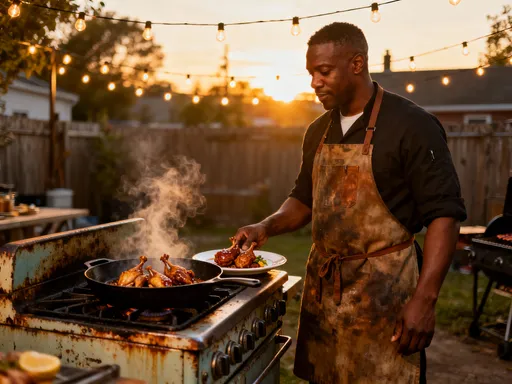
These spaces are often family-run, passed down through generations or born from kitchen-table dreams. Think of a no-sign barbecue joint in North Nashville where smoked ribs are served on wax paper, or a West Nashville diner where the same woman has poured coffee since 1987. These places aren’t hidden by design — they simply never sought the spotlight. They grew from community needs: church potlucks feeding hundreds after Sunday service, backyard fish fries in the summer, or tamale carts appearing at dawn for construction crews.
What makes these experiences meaningful is their rootedness. They reflect who lives here, not who visits. While downtown pulses with polished eateries and live music on every corner, these neighborhood spots offer a quieter truth — that food in Nashville has always been about gathering, not performance. The shift toward seeking out such places represents a broader change in travel culture: a move from consumption to connection, from打卡 (checking off) to truly experiencing.
For the 30- to 55-year-old traveler — often a mother, a caregiver, or someone balancing routine with a desire for renewal — these meals offer something rare: a moment of belonging. There’s comfort in sitting at a Formica counter where the waitress calls you “honey” and remembers your coffee order. It’s not just nourishment for the body, but for the spirit.
East Nashville: Where Food Meets Community
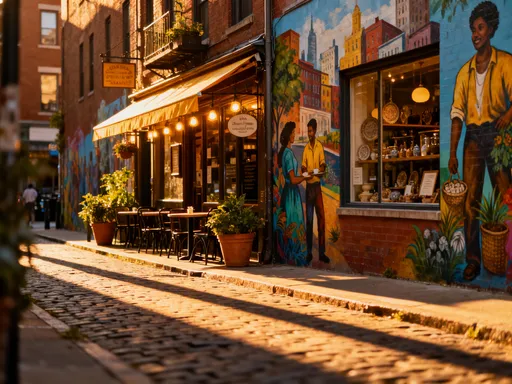
If there’s a neighborhood that embodies Nashville’s quiet culinary evolution, it’s East Nashville. Once a collection of quiet bungalows and vacant storefronts, this area has transformed into a mosaic of flavor, creativity, and local pride — without losing its soul. It’s not flashy, but it’s alive, with sidewalks that hum in the late afternoon and porches where neighbors linger over sweet tea.
Walk down Gallatin Pike or Five Points, and you’ll find a rhythm that feels distinctly human. A Cuban sandwich from a food truck parked beside a mural. A pop-up dumpling stand operating out of a coffee shop on weekends. A Southern brunch spot where the biscuits are made with heirloom cornmeal and the jam is from a nearby farm. These aren’t chain concepts or investor-backed ventures — they’re expressions of place, shaped by the people who live here.
East Nashville’s walkability invites exploration. You can start with a cappuccino at a local roastery, browse a vintage bookstore, then stumble upon a tiny taco stand run by a Mexican-American family who moved here from Texas. The food reflects the neighborhood’s diversity: Vietnamese pho served in paper bowls, Middle Eastern mezze plates, and Southern staples like fried green tomatoes with remoulade. Yet none of it feels forced. There’s no attempt to impress — only to feed and to welcome.
What makes East Nashville special is its balance. It has grown, yes, but not at the cost of its identity. Residents have fought to preserve affordable housing and local businesses, ensuring that the community remains accessible. This pride extends to the dining culture: restaurants host neighborhood nights, donate to local schools, and source ingredients from nearby farms. For visitors, this means more than just good meals — it means witnessing a community that values care, continuity, and connection.
The Rise of the Backdoor Kitchen
In recent years, a new kind of dining experience has quietly taken root in Nashville: the backdoor kitchen. These are not restaurants in the traditional sense, but intimate supper clubs, reservation-only dinners, and chef-led gatherings held in private homes, garages, or hidden courtyards. Access is often by word of mouth, a text from a friend, or a discreet Instagram post with a password-protected link.
These events are not about exclusivity for its own sake, but about intimacy. Seating might be limited to ten guests, gathered around a long wooden table under string lights. The menu is seasonal, inspired by Southern ingredients — think smoked trout from the Cumberland River, field peas from a nearby farm, or wild mushrooms foraged from the hills outside the city. But the preparation carries global influences: a French technique here, a Japanese presentation there, a West African spice blend rounding out the dish.
One such evening might begin with a buttermilk soup with ramps and crispy shallots, followed by a braised pork shoulder with sorghum glaze and pickled okra. Dessert could be a cornmeal cake with whipped honey cream. Every course tells a story — of the land, the season, the chef’s heritage. These meals are not rushed. There’s time to talk, to ask questions, to hear about where the ingredients came from. The chef might pour the wine, clear the plates, and sit down to eat with the guests.
For travelers, these experiences offer a rare depth. They’re not transactions — they’re invitations. And while they may not be listed on any official guide, they’re becoming a quiet hallmark of Nashville’s culinary evolution. They reflect a desire — on both sides of the table — for something more meaningful than a meal. They’re about presence, about slowing down, about remembering that food is not just fuel, but a way of being together.
Southern Flavors, Reinvented
Nashville’s younger generation of chefs is not rejecting tradition — they’re reimagining it. They honor the recipes their grandmothers cooked, but they’re not bound by them. The result is a cuisine that feels both familiar and surprising, rooted in the South but speaking a broader language. This is Southern food, not as nostalgia, but as innovation.
Take pimento cheese, a staple of Southern picnics and church luncheons. In the hands of a modern chef, it might be transformed into a delicate croquette, served with smoked tomato jam and microgreens. Or consider buttermilk fried quail — a classic preparation, but now plated with pickled watermelon rind and a drizzle of hot honey. These dishes don’t erase the past; they build on it, adding new layers of flavor, texture, and intention.
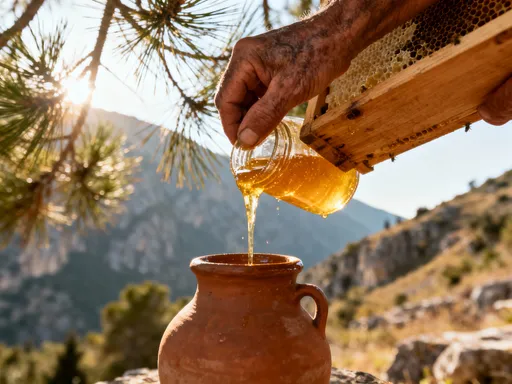
What sets this movement apart is its attention to sourcing. Many of these chefs work directly with small farms, foragers, and artisan producers. They know the name of the farmer who grew their collard greens, the beekeeper who supplied the honey. This commitment to sustainability isn’t just a trend — it’s a return to the way food was always meant to be: local, seasonal, and full of story.
Plating has also evolved. Where Southern food was once served in generous, unadorned portions, it now appears with careful composition — a swirl of sauce, a sprinkle of edible flowers, a stack of ingredients that invites the eye before the fork. But the heart remains the same: warmth, generosity, and a deep respect for flavor. For the traveler, this means discovering a cuisine that is both comforting and exciting, traditional and new — a reflection of a city learning to honor its roots while growing into its future.
Global Roots, Local Tables
Nashville’s food scene has been quietly transformed by the people who have made the city their home. Over the past three decades, immigrants from Vietnam, Mexico, Ethiopia, Nepal, and beyond have opened restaurants, food trucks, and markets that have become essential to the city’s culinary fabric. These are not “ethnic” add-ons — they are central to what Nashville eats.
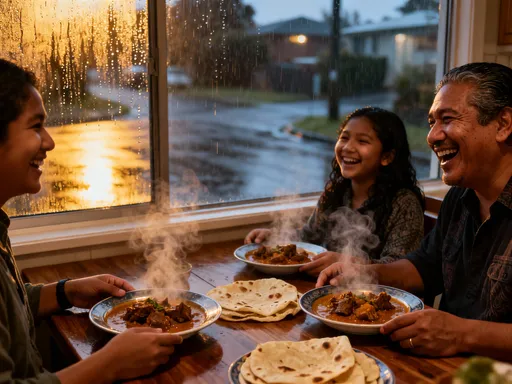
In South Nashville, along Harding Place, you’ll find family-run Vietnamese restaurants serving steaming bowls of pho, fragrant with star anise and fresh herbs. The tables are often filled with nurses from the nearby hospital, teachers, and construction workers — people who come for the taste of home. In Berry Hill, a modest taqueria might offer handmade tortillas, slow-cooked carnitas, and salsas that vary by the day. There’s no menu board with English translations — just a window, a smile, and the smell of cumin and charred meat.
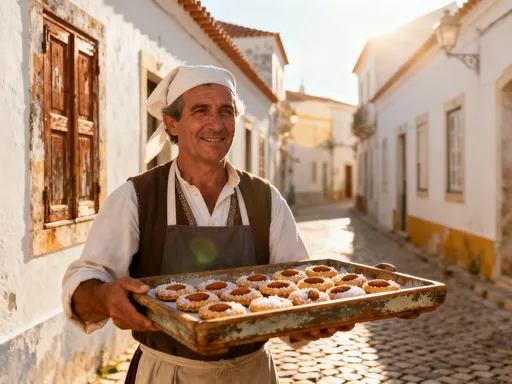
These spaces are often overlooked by guidebooks and food tours, not because they lack quality, but because they don’t advertise. They don’t need to. Their reputation spreads through neighborhoods, through church networks, through the simple act of word-of-mouth. A mother might tell another where to find the best tamales for her son’s birthday. A teacher might recommend a Nepali mom-and-pop where the dumplings are made by hand every morning.
What makes these meals special is their authenticity. They’re not adapted for tourists. They’re cooked the way they’ve always been cooked — with care, with pride, with a connection to a faraway place. And yet, they’ve become part of Nashville’s story. The city’s palate has expanded, not by imitation, but by inclusion. For the traveler willing to step off the main roads, these kitchens offer a powerful reminder: food is one of the most honest forms of cultural exchange.
Practical Tips for Discovering Nashville’s Real Eats
Finding these hidden gems requires a shift in mindset. It means moving beyond apps that rank restaurants by popularity and learning to read the quiet signs of authenticity. A lack of a website can be a good sign. So can paper plates, handwritten menus, or a church bulletin board in the corner. These are clues that you’ve stepped into a place shaped by community, not commerce.
Timing matters. Many of these spots open late or close early. A neighborhood meat-and-three might only serve lunch. A family-run bakery could sell out by 10 a.m. The best times to visit are weekday mornings or early afternoons, when locals are on their break. Avoid weekends if you’re seeking quiet — those are for families, for church, for tradition.
Engage with respect. When you walk into a small kitchen, smile, make eye contact, and be patient. Don’t demand substitutions or complain about the pace. These are not fast-casual spots — they’re labor of love. If the server calls you “sweetheart” or “darlin’,” take it as a sign of welcome, not familiarity. Ask questions if invited, but don’t treat the staff as performers. This is their life, not a show.
Use local tools for discovery. Attend a farmers market — not just to buy, but to listen. Talk to vendors. Ask where they eat. Visit food festivals like the Tomato Art Fest or the Southern Fried Film Festival, where local chefs often pop up. Follow Instagram accounts that tag specific neighborhoods, not just hashtags. Look for geotags in East Nashville, Inglewood, or Edgehill. And most importantly, talk to people. Ask your Airbnb host, your Uber driver, the woman next to you in line. The best recommendations come from those who live here.
Why This Matters: Food as a Gateway to Place
At its core, dining is more than eating. It’s a way of understanding a place — its history, its values, its rhythm. When you choose to sit in a backroom diner where the coffee is refilled without asking, or attend a supper club where the chef shares stories between courses, you’re not just feeding yourself. You’re participating in a community’s life.
For the 30- to 55-year-old woman — often juggling roles, seeking moments of peace, or traveling to reconnect with herself — these experiences offer a rare gift: presence. There’s no rush, no performance, no pressure to document every bite. There’s only the warmth of a shared table, the comfort of a well-made meal, and the quiet joy of being seen.
Choosing local, off-the-map dining is also an act of care. It supports small businesses, preserves cultural traditions, and fosters connection. It’s a way of traveling with intention — not just seeing a city, but feeling it. And in return, these places give us more than flavor. They offer a sense of belonging, even if just for one meal.
So the next time you’re in Nashville, go beyond the honky-tonks. Step into the side streets. Follow the smell of wood smoke and frying cornbread. Let a local guide you, even if only through a smile or a nod. Because the real taste of Nashville isn’t on the menu — it’s in the moment, in the connection, in the quiet understanding that you’ve been welcomed, not just served.