You Won’t Believe These Hidden Wildlands in Da Lat
Nestled in Vietnam’s Central Highlands, Da Lat is more than pine-scented hills and misty alleys—it’s a gateway to breathtaking protected areas often overlooked. I ventured deep into its wild heart, where waterfalls cut through ancient forests and rare wildlife thrives in silence. These reserves aren’t just scenic; they’re vital sanctuaries. From mist-wrapped peaks to serene highland lakes, Da Lat’s conservation zones shelter endangered species, regulate local climates, and offer travelers rare moments of untouched tranquility. If you're seeking raw nature off the typical trail, Da Lat’s protected zones deliver in ways you never expected.
Discovering Da Lat’s Wild Side
Da Lat is widely celebrated for its French colonial villas, vibrant flower gardens, and cool mountain air that draws city dwellers from Ho Chi Minh City and beyond. Yet beyond the postcard-perfect postures of urban charm lies a different Da Lat—one defined by wild forests, rushing streams, and ecological significance. While many visitors spend their days sipping coffee in themed cafes or strolling through landscaped parks, a quieter movement is growing: travelers drawn not to comfort, but to conservation. These eco-conscious explorers are discovering that Da Lat sits at the heart of Vietnam’s most important biodiversity corridors.
The city’s high elevation—around 1,500 meters above sea level—and temperate climate have created ideal conditions for a rich mosaic of ecosystems. Cloud forests, grasslands, and riparian zones flourish in the surrounding hills, supporting plant and animal species found nowhere else in the country. What many don’t realize is that Da Lat is encircled by a network of protected areas, each playing a crucial role in preserving the region’s natural balance. These are not just scenic backdrops; they are active conservation zones where researchers monitor rare primates, reforestation teams restore degraded land, and local communities work to protect watersheds that supply clean water to thousands.
Among these, Bidoup Nui Ba National Park stands as the most significant. But it is not alone. Smaller reserves, forest buffers, and highland lakes contribute to a broader ecological tapestry that sustains both wildlife and human life. As global interest in sustainable travel rises, Da Lat’s wildlands offer a compelling model: destinations where tourism supports preservation rather than threatens it. For the mindful traveler, this shift in perspective transforms a simple getaway into a meaningful journey—one that honors the land as much as it explores it.
Bidoup Nui Ba National Park: The Crown Jewel
Spanning over 70,000 hectares, Bidoup Nui Ba National Park is the largest protected area in Vietnam’s southern highlands and a cornerstone of regional conservation. Recognized as part of UNESCO’s World Network of Biosphere Reserves in 2015, the park safeguards one of Southeast Asia’s most biologically diverse montane ecosystems. Its elevation ranges dramatically from 900 meters to over 2,400 meters at the peak of Nui Ba, creating distinct climate zones that support an extraordinary range of flora and fauna. This vertical diversity allows tropical species to coexist with temperate forest types, a rare phenomenon in tropical Asia.
The park is home to more than 2,000 plant species, including rare orchids, ancient conifers, and moss-draped trees that seem lifted from a fairy tale. Among its most iconic inhabitants is the black-shanked douc, a striking primate with vivid coloring and gentle demeanor, now classified as endangered due to habitat loss and hunting. Other rare species include the Truong Son muntjac, the Annamite striped rabbit, and numerous endemic birds like the collared laughingthrush. For wildlife enthusiasts and researchers alike, Bidoup Nui Ba is a living laboratory of evolution and adaptation.
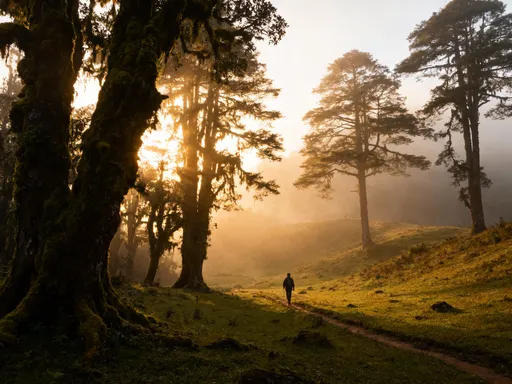
Trekking through the park offers an immersive experience unlike any other in Vietnam. Trails wind through dense evergreen forests where sunlight filters softly through layers of canopy, illuminating carpets of ferns and fungi. Higher elevations open into alpine meadows dotted with wildflowers, offering panoramic views of rolling hills shrouded in mist. The air is crisp and fragrant with pine and damp earth, and the only sounds are the rustle of leaves and distant bird calls. Because access is limited and infrastructure remains minimal, visitor numbers remain low—fewer than 20,000 annually—ensuring a sense of solitude and authenticity rare in today’s crowded travel landscape.
Guided multi-day treks are the best way to experience the park’s depths. Local ethnic minority guides, often from the K’Ho or Chu Ru communities, lead visitors along established routes, sharing knowledge of medicinal plants, animal tracks, and cultural traditions tied to the forest. These journeys are not for the faint of heart—some trails are steep and slippery after rain—but the rewards are profound. Camping under starlit skies, waking to the chorus of forest birds, and drinking pure mountain water from natural springs create memories that linger long after the journey ends. For those seeking not just scenery but connection, Bidoup Nui Ba is nothing short of transformative.
Lam Vien Plateau’s Protected Forests
Surrounding Da Lat on all sides, the Lam Vien Plateau is more than a geographical feature—it is a vital ecological shield. Within its boundaries lie a network of protected forests that serve as green buffers between the city and the deeper wilderness. These woodlands may not carry the official designation of national parks, but their importance is undeniable. They stabilize slopes, prevent erosion, and act as sponges that absorb rainfall and release it slowly into rivers and aquifers. Over 80% of Da Lat’s water supply originates from these forested zones, making their preservation essential for both environmental and public health reasons.
These forests also play a critical role in climate regulation. The dense canopy helps maintain Da Lat’s famously mild temperatures, reducing urban heat and moderating humidity. In an era of increasing climate volatility, such natural climate control is invaluable. Moreover, these woodlands serve as habitat corridors, allowing animals to move safely between larger reserves like Bidoup Nui Ba and smaller fragmented patches. Without these connecting greenways, species isolation would accelerate, threatening long-term biodiversity.
What makes the Lam Vien forests especially remarkable is the growing involvement of local communities in their stewardship. In recent years, village cooperatives and environmental NGOs have partnered to launch reforestation initiatives, planting native tree species and restoring degraded land. Some communities have established community-managed forest zones where sustainable harvesting of non-timber forest products—such as bamboo, wild honey, and medicinal herbs—is permitted under strict guidelines. These efforts not only protect the environment but also provide alternative livelihoods, reducing pressure on forests from illegal logging or land conversion.
For visitors, these protected forests offer accessible yet profound nature experiences. Early morning walks along forest trails reveal a world transformed by mist—tree canopies drifting in and out of view, spiderwebs glistening with dew, and the soft calls of bulbuls and sunbirds breaking the silence. Birdwatching is particularly rewarding, with over 200 species recorded in the area. Some trails lead to hidden waterfalls or quiet meditation spots used by local monks. Unlike commercialized attractions, these spaces remain serene and unspoiled, inviting quiet reflection rather than photo ops. By supporting community-led ecotourism, travelers contribute directly to conservation while gaining a deeper understanding of the region’s ecological and cultural fabric.
Xuan Thuy and Tuyen Lam: Wetlands and Lakeside Reserves
While Da Lat is best known for its mountains and forests, its lakes and wetlands are equally vital to the region’s ecological health. Among them, Tuyen Lam Lake stands out as both a scenic gem and an environmental asset. Nestled just 7 kilometers from the city center, this expansive reservoir covers over 320 hectares and is surrounded by pine forests, tea plantations, and protected woodlands. Unlike artificial tourist lakes in other parts of Vietnam, Tuyen Lam functions as a true ecological system—filtering water, supporting aquatic life, and serving as a green lung for the growing city.
The forests around Tuyen Lam Lake are managed as part of a broader conservation strategy. Reforestation efforts have restored native tree cover along its shores, creating habitat for birds, reptiles, and small mammals. The area has become a haven for birdwatchers, with species such as the white-rumped shama, blue whistling thrush, and various kingfishers frequently spotted. Kayaking and paddleboarding are permitted in designated zones, allowing visitors to explore the lake quietly and without disrupting wildlife. Local operators offer eco-friendly tours that include environmental briefings, emphasizing the importance of minimizing noise and avoiding littering.
While Xuan Thuy National Park is located in northern Vietnam and not directly connected to Da Lat, its model of wetland conservation has inspired local initiatives. In the Central Highlands, conservationists are adapting similar principles—protecting riparian zones, monitoring water quality, and promoting sustainable agriculture in nearby areas to reduce runoff. Smaller wetland pockets around Da Lat, such as those near Cam Ly and Prenn waterfalls, are being studied for their potential to support biodiversity and act as natural flood controls during the rainy season.
What makes Tuyen Lam especially valuable is its dual role: it serves both ecological and recreational purposes without compromising either. Trails loop around the lake, passing through quiet groves and offering viewpoints of the water framed by mountains. Eco-lodges built with sustainable materials provide overnight stays that blend into the landscape, using solar power and composting toilets to minimize impact. These developments are carefully regulated to ensure they do not encroach on protected zones. For families, couples, or solo travelers seeking peace, Tuyen Lam offers a perfect balance—close enough to the city for convenience, yet far enough to feel truly immersed in nature.
How to Visit Responsibly
As interest in Da Lat’s wildlands grows, so does the responsibility to protect them. The fragility of these ecosystems means that even small actions—like straying from a trail or leaving behind food wrappers—can have lasting consequences. To ensure these areas remain pristine for future generations, visitors must adopt a mindset of stewardship. The first and most important step is to plan thoughtfully. This means choosing certified eco-tour operators who follow sustainable practices, hire local guides, and contribute a portion of their proceeds to conservation funds.
Hiring a local guide is not just a safety measure—it’s an ethical choice. Indigenous communities such as the K’Ho, Chu Ru, and Lat have lived in harmony with these forests for centuries. Their knowledge of the land is unparalleled, and supporting their livelihoods through guided tours helps preserve both culture and conservation. Guides can also ensure that visitors stay on marked trails, avoid disturbing nesting birds or animal dens, and understand the significance of what they’re seeing. This deeper engagement transforms a simple hike into an educational experience.
Waste management is another critical issue. Visitors should carry out all trash, including biodegradable items like fruit peels, which can introduce non-native seeds or attract animals to human food sources. Single-use plastics should be avoided entirely. Many eco-lodges and tour operators now provide reusable water bottles and refill stations to discourage plastic waste. Campers must use designated sites and avoid making open fires, which pose a serious risk in dry seasons.
Travelers should also consider timing. Visiting during shoulder seasons—late September to early November or March to early April—helps reduce pressure on trails and accommodations while offering pleasant weather. Peak tourist months, especially Tet (Lunar New Year) and summer holidays, bring large crowds that strain infrastructure and increase pollution. By choosing quieter times, visitors not only enjoy a more peaceful experience but also support sustainable tourism models that prioritize long-term preservation over short-term profit.
Why These Areas Stay Under the Radar
Despite their beauty and ecological importance, Da Lat’s protected wildlands remain relatively unknown to mainstream tourists. The reasons are both practical and cultural. Marketing efforts have long focused on the city’s romanticized image—its pine forests, flower festivals, and nostalgic French architecture—rather than its conservation value. Travel brochures highlight cafes with mountain views, not the watersheds that make those views possible. As a result, most visitors never venture beyond the city limits, unaware that true wilderness lies within an hour’s drive.
Infrastructure also plays a role. Unlike well-developed destinations such as Ha Long Bay or Phu Quoc, Da Lat’s wildlands lack extensive visitor centers, paved roads, or mass transportation options. This can deter casual tourists seeking convenience. Yet this very limitation has been a blessing in disguise. Low accessibility has prevented overdevelopment and kept visitor numbers manageable, allowing ecosystems to thrive without constant human interference. It’s a rare example of how limited infrastructure can serve conservation goals.
There is also a growing awareness among locals and environmentalists that marketing these areas too aggressively could backfire. The fate of other popular destinations—where overcrowding has led to trail erosion, water pollution, and wildlife displacement—serves as a cautionary tale. Instead, the focus has been on cultivating a niche market of eco-travelers who value authenticity over convenience. This approach aligns with global trends toward slow travel and regenerative tourism, where the goal is not just to minimize harm but to leave a place better than you found it.
Despite their low profile, Da Lat’s wildlands are gaining quiet recognition. Vietnamese eco-bloggers, nature photographers, and conservation influencers are sharing stories and images online, sparking curiosity among younger, environmentally conscious travelers. International researchers and birdwatching groups are also beginning to take notice. While these areas may never become mass-market attractions, their growing digital footprint suggests a promising future—one where appreciation for nature grows not from hype, but from genuine connection.
The Future of Conservation in Da Lat
The long-term survival of Da Lat’s wildlands depends on a delicate balance between protection and progress. Pressures are mounting: urban expansion threatens to encroach on forest buffers, climate change is altering rainfall patterns, and illegal logging still occurs in remote areas. Yet there is also reason for hope. Government agencies, universities, and international NGOs are collaborating on initiatives that combine science, policy, and community engagement. Reforestation programs have planted hundreds of thousands of native trees, and camera traps are now used to monitor elusive species like the black-shanked douc and clouded leopard.
One of the most promising developments is the integration of conservation into local education. Schools in Da Lat now include environmental curricula, teaching children about watershed protection, biodiversity, and sustainable living. Some students participate in tree-planting days or citizen science projects, fostering a sense of ownership and responsibility. When the next generation grows up valuing forests not as resources to exploit but as treasures to protect, the foundation for lasting change is laid.
Travelers, too, have a role to play. Every entrance fee paid, every eco-lodge booked, every local guide hired contributes to the economic case for conservation. When communities see that protecting forests can bring sustainable income, they become allies in preservation. Some tour operators now offer volunteer opportunities—tree planting, trail maintenance, wildlife monitoring—allowing visitors to give back directly. These experiences deepen connection and create ambassadors who carry Da Lat’s story far beyond the highlands.
Looking ahead, Da Lat has the potential to become a model for nature-first tourism in Vietnam. By prioritizing ecological integrity, supporting local communities, and educating visitors, the city can show that economic development and environmental protection are not mutually exclusive. The wildlands surrounding Da Lat are not just scenic escapes—they are living systems that sustain life, inspire wonder, and remind us of our place within the natural world. The call is clear: explore deeply, tread lightly, and protect what makes these places magical. In doing so, we ensure that Da Lat’s hidden wildlands remain not just a secret, but a legacy.