This Is What Slow Travel Feels Like: Kangaroo Island Unfiltered
You know that feeling when time slows down and every moment actually means something? That’s Kangaroo Island. Far from crowded tourist traps, this place pulls you in with wild coastlines, untamed wildlife, and silence so deep it hums. I went not to check boxes, but to breathe, wander, and reconnect. What I found were not just scenic stops, but soul-stirring theme areas—each with its own rhythm. This isn’t a rush-through destination. It’s slow travel at its most authentic. And honestly? It changes you.
The Essence of Slow Travel on Kangaroo Island
Slow travel is not simply a pace—it is a mindset, a deliberate choice to immerse rather than skim. Kangaroo Island, located off the coast of South Australia and accessible only by ferry or small aircraft, embodies this philosophy by default. Its geographical isolation means fewer crowds, limited chain businesses, and a rhythm of life shaped by seasons, tides, and local needs. There are no traffic lights on the island, a small but telling detail that hints at its unhurried essence. Visitors quickly learn that the journey between destinations is not wasted time, but part of the experience—each winding road lined with grazing kangaroos, wildflowers, and sudden glimpses of the sea.
What makes Kangaroo Island particularly conducive to slow travel is its infrastructure, or rather, the lack of overdevelopment. Accommodations are intimate—family-run lodges, coastal cottages, and eco-retreats that encourage guests to settle in. There is no pressure to over-schedule; in fact, attempting to do so often leads to frustration. Instead, travelers are invited to observe, to pause, to listen. The island’s natural sounds—waves crashing against granite cliffs, the rustle of eucalyptus in the wind, the distant call of a white-bellied sea eagle—become the soundtrack of a stay that feels more like a reset than a vacation.
The emotional benefits of this approach are profound. Studies in environmental psychology suggest that prolonged exposure to natural settings reduces stress, enhances mood, and improves cognitive function. On Kangaroo Island, these effects are amplified by the absence of digital distractions. Mobile coverage is spotty, Wi-Fi is often slow, and television is rare in accommodations. This digital detox is not enforced but organic, allowing visitors to reconnect with themselves and their companions in ways that feel increasingly rare in modern life. The island does not offer escape, but presence—inviting travelers to step into the moment rather than flee from their routines.
Equally important is the emphasis on sustainable tourism. Because the island’s ecosystems are fragile and its communities small, responsible travel is not just encouraged—it is necessary. Locals speak with pride about regeneration efforts following the devastating 2019–2020 bushfires, which burned nearly half the island. Recovery has been slow, but intentional. Conservation projects, reforestation initiatives, and wildlife rehabilitation centers operate with community support and visitor participation. Choosing to travel slowly here means contributing to a model of tourism that values long-term health over short-term gains.
Wildlife as a Central Theme: Living Encounters Beyond Zoos
Kangaroo Island is often described as Australia in miniature—a place where iconic wildlife thrives not behind glass or fences, but in vast, open landscapes. This is not a zoo experience; it is coexistence. Kangaroos and wallabies graze alongside roads at dawn and dusk, their silhouettes soft against the rising sun. Echidnas trundle through underbrush, their spines catching the light, while glossy black cockatoos soar overhead, their calls echoing through the treetops. Koalas rest in eucalyptus branches, often so still they resemble natural extensions of the trees themselves.
One of the most powerful wildlife experiences on the island is at Seal Bay Conservation Park, home to one of Australia’s largest colonies of Australian sea lions. Unlike performances at marine parks, the encounter here is quiet, respectful, and unscripted. Visitors walk along boardwalks that hover above the sand, observing the animals from a distance. Rangers explain the biology and behavior of the sea lions, emphasizing that this is their beach, their nursery, and their resting ground. The animals are not trained, do not perform, and are not fed by humans. Yet, their curiosity often brings them close—pups tumbling toward the edge of the boardwalk, mothers watching with calm vigilance. The experience is not about entertainment, but about witnessing life on its own terms.
Flinders Chase National Park offers another dimension of wildlife immersion. Spanning over 98,000 hectares, the park is a sanctuary for species that have disappeared from much of mainland Australia. Here, tammar wallabies hop through heathland, and the endangered southern brown bandicoot scurries through leaf litter. Birdwatchers may spot the endangered Kangaroo Island glossy black-cockatoo, a species with a population so small that conservationists track individuals by sight. The park’s management prioritizes habitat restoration, invasive species control, and visitor education. Guided walks with park rangers provide context, turning casual sightings into meaningful learning moments.
What sets these encounters apart is the absence of hurry. There are no timed entry slots, no crowds pressing forward, no loudspeakers blaring announcements. Visitors are encouraged to sit, wait, and watch. A single hour spent observing a koala slowly climbing a tree can become a meditation on patience and presence. Children learn to whisper, adults forget their watches, and photographers put down their lenses to simply look. This is slow wildlife tourism at its finest—not a checklist of species seen, but a deepening awareness of the interconnectedness of life.
Coastal Landscapes: Where Geology Meets Emotion
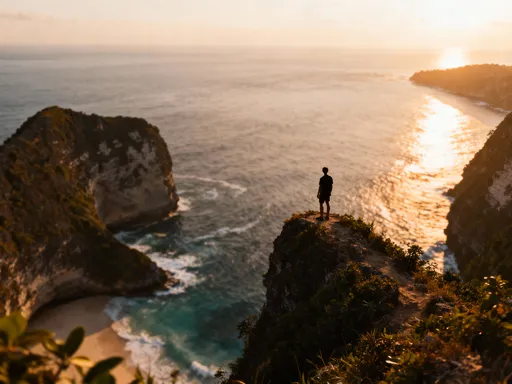
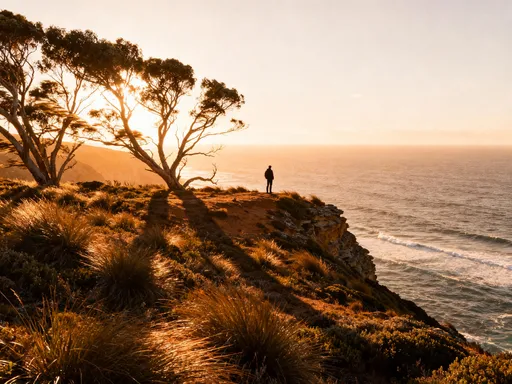
The coastline of Kangaroo Island is a masterpiece of natural sculpture, shaped by millennia of wind, water, and seismic forces. Nowhere is this more evident than at Remarkable Rocks, a cluster of granite boulders balanced in seemingly impossible formations on a cliff edge. These formations, weathered into smooth curves and sharp edges, glow amber and gold at sunrise and sunset. The rocks are not merely visual—they invite touch, contemplation, and a sense of awe. Visitors often sit in silence, watching the light shift, feeling the sea breeze, and listening to the distant roar of waves crashing against the cliffs below.
Just a short walk from Remarkable Rocks lies Admirals Arch, a natural bridge carved through the rock by relentless ocean waves. During breeding season, the sounds of fur seals echo from the caves beneath the arch, adding a living pulse to the geological wonder. The boardwalk leading to the arch is designed to minimize environmental impact while maximizing accessibility. Along the way, interpretive signs explain the forces that shaped the landscape, turning a scenic walk into an informal geology lesson. But the true impact of the site is emotional. Standing at the edge of the arch, looking out over the Southern Ocean, one cannot help but feel small in the best possible way—a reminder of nature’s power and permanence.
Another coastal highlight is Kelly Hill Caves, a network of limestone caverns formed over millions of years. Guided tours take visitors through illuminated chambers adorned with stalactites, stalagmites, and delicate flowstones. The air is cool and still, the silence profound. Rangers share stories of how the caves were discovered by early settlers and used by Indigenous peoples for shelter. The experience is humbling, a journey into the deep time of the Earth. Unlike commercialized cave systems elsewhere, Kelly Hill remains low-key, with limited lighting and small group sizes that preserve the sense of discovery.
For those seeking solitude, the island offers countless quiet coves and beaches. Stokes Bay, with its turquoise waters and natural rock pool, is a favorite among locals. Emu Bay and Snelling Beach provide long stretches of sand ideal for walking, shell collecting, or simply sitting with a book. The key to enjoying these places fully is timing—visiting early in the morning or late in the afternoon, when the light is soft and the crowds absent. There are no lifeguards or cafes on most of these beaches, reinforcing the sense of wildness. This is not a curated beach experience, but a real one—sand between the toes, salt on the skin, and the freedom to be still.
Local Flavors: Food Journeys Rooted in Place
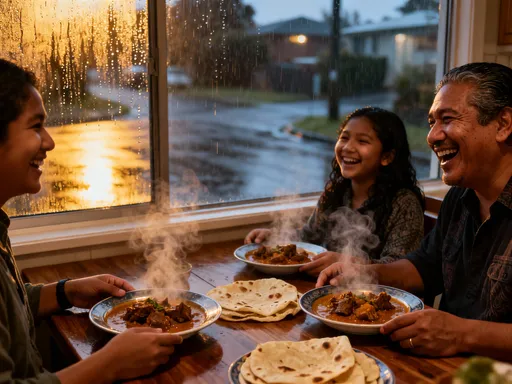
On Kangaroo Island, food is not an afterthought—it is a central thread of the travel experience. The island’s fertile soil, clean air, and isolation have given rise to a thriving local food culture built on freshness, seasonality, and tradition. Visitors quickly learn that the best meals are not found in fancy restaurants, but in roadside stalls, farm gates, and small-town cafes where the chef might also be the farmer, the beekeeper, or the fisherman.
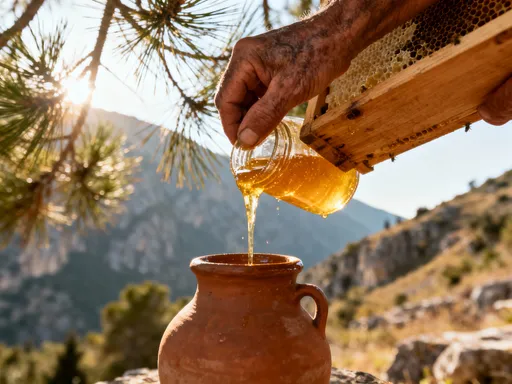
Perhaps the most famous product of the island is Ligurian honey, produced by bees that have been genetically pure since 1884, when a quarantine was established to protect them from foreign bee diseases. The honey is rich, floral, and complex, with variations depending on the season and the blossoms available. At local apiaries, visitors can watch bees at work, taste different varieties, and learn about the importance of pollinators in the ecosystem. Buying a jar is more than a souvenir—it is a direct contribution to a centuries-old tradition of sustainable beekeeping.
Equally celebrated are the island’s dairy and meat products. Kangaroo Island Natural Foods produces artisanal cheeses using milk from grass-fed cows, while local butchers offer free-range lamb, venison, and even kangaroo meat—harvested sustainably and prepared with care. Farmers markets in Kingscote and Penneshaw are weekly gatherings where residents and visitors mingle, sampling olives, chutneys, breads, and wines. Conversations start easily over a shared love of fresh produce, and stories flow as freely as the local cider.
Wine lovers will appreciate the island’s boutique vineyards, which focus on small-batch production and organic practices. The cool maritime climate produces crisp whites and elegant reds, often served with views of rolling hills and grazing sheep. Tastings are unhurried, with winemakers often present to discuss their craft. Dining at a farm-to-table restaurant like Sunset Food & Wine at Exceptional Kangaroo Island means eating dishes made from ingredients harvested that morning—seafood from local fishermen, vegetables from nearby gardens, herbs from the chef’s own patch. Every bite tells a story of place, care, and connection.
Hidden Heritage: Stories Carved in Landscape and Community
Beneath the island’s natural beauty lies a rich human history, shaped by resilience, adaptation, and stewardship. The Ramindjeri people of the Kaurna Nation have cultural ties to Kangaroo Island, visiting for seasonal resources and maintaining spiritual connections to the land. While much of the oral history was disrupted by colonization, efforts are underway to recognize and honor Indigenous heritage through place naming, cultural tours, and collaborative conservation projects.
European settlement began in the early 19th century, with sealers, whalers, and farmers establishing outposts along the coast. Remnants of this past are scattered across the island. The Cape Borda Lighthouse, built in 1858, stands as a testament to the dangers of maritime navigation in these waters. Its isolated location—on the island’s rugged northwest tip—speaks to the courage of the keepers who lived there, often for years at a time, with little contact from the outside world. Today, visitors can stay in the restored cottages, walk the cliffside trails, and imagine the solitude of life in the light.
The Ruins of the Kelly Homestead, dating back to the 1880s, offer another glimpse into pioneer life. Stone walls rise from the grass, surrounded by old fruit trees and a well. There are no reconstructions, no mannequins in period clothing—just the quiet presence of history. A nearby plaque tells the story of the Kelly family, their struggles with drought and isolation, and their eventual departure. The site is not curated for spectacle, but preserved for reflection. It invites questions: What did it mean to build a life here? What did it cost? What remains?
These heritage sites are best experienced slowly, with time to read, to walk, to talk with locals who may share family stories passed down through generations. Some residents are descendants of early settlers, their surnames still on maps and business signs. Their pride in the island is evident, not in grand monuments, but in the care they take in maintaining its character. Heritage here is not frozen in the past, but lived in the present—a conversation between generations, between people and land.
Choosing Your Pace: Designing a Slow Travel Itinerary
Planning a trip to Kangaroo Island with slow travel in mind requires a shift in mindset. The goal is not to see everything, but to experience a few things deeply. A recommended approach is to base oneself in one or two locations for several days, allowing time to settle in, explore locally, and respond to spontaneous invitations—a farmer offering a tour, a sudden rainbow over the fields, a recommendation for a hidden beach.
Accommodation choices play a crucial role. Eco-lodges like Exceptional Kangaroo Island or privately owned cottages with full kitchens support a slower rhythm. They allow guests to cook with local ingredients, wake up without an agenda, and enjoy the luxury of time. Booking stays of four nights or more fosters continuity and reduces the stress of constant packing and unpacking.
Transportation is another key consideration. Renting a car is essential, as public transit is limited. However, the drive itself should be part of the experience, not a means to an end. Allow extra time for detours—stopping at a roadside honey stall, pulling over to photograph a mob of kangaroos, or following a sign to a lesser-known lookout. The island’s roads are generally well-maintained but narrow, encouraging cautious, mindful driving. Fuel stations are spaced apart, so planning refills in advance is wise.
A sample slow itinerary might include two days in the west, centered on Flinders Chase National Park, with visits to Remarkable Rocks and Admirals Arch timed for sunrise and sunset. A mid-island stay could focus on wildlife and food, with tours of Seal Bay, a beekeeper’s workshop, and a farm-to-table dinner. The east offers quieter beaches and heritage sites, ideal for reflection and relaxation. The key is to limit daily activities to one or two, leaving room for rest, conversation, and unplanned discoveries. Packing should be simple—layers for changeable weather, sturdy shoes, a good camera, and a journal to record thoughts and observations.
Why This Kind of Travel Matters—Now More Than Ever
In an age of constant connectivity, rapid travel, and curated online personas, slow travel offers a counterbalance—a return to authenticity, presence, and meaningful connection. Kangaroo Island, with its unspoiled landscapes and grounded communities, exemplifies what is possible when we choose depth over speed. The island’s recovery from the 2019–2020 bushfires underscores this point. While the fires caused immense loss, they also sparked a renewed commitment to regeneration, sustainability, and community-led conservation. Visitors who come with a slow mindset become part of this story, not as spectators, but as respectful participants.
Slow travel supports local economies in tangible ways. When visitors stay longer, eat locally, and engage with small businesses, their spending has a multiplier effect. A purchase at a farm stall, a night at a family-run lodge, a donation to a wildlife sanctuary—each act contributes to resilience. Moreover, travelers who take the time to learn about the island’s challenges and triumphs often leave with a deeper sense of responsibility, carrying the lessons of care and stewardship back to their own communities.
On a personal level, the impact is equally significant. Slowing down allows space for introspection, for gratitude, for joy in small things—a perfectly ripe fig, a shared laugh with a stranger, the sight of stars undimmed by city lights. It reminds us that travel is not about accumulating destinations, but about expanding the soul. Kangaroo Island does not dazzle with spectacle; it reveals itself gradually, like a story told in whispers. And in that quiet unfolding, there is transformation.
In the end, slow travel is not a luxury—it is a necessity. It is how we reconnect with the world and with ourselves. Kangaroo Island, in all its wild, untamed beauty, invites us to do just that. It asks only that we come with patience, with openness, and with the willingness to listen. And if we do, we may find, as so many have, that we leave not just with photographs, but with a changed heart.