You Won’t Believe These Denver Culture Traps—We Fell Right In
Denver’s cultural scene looks dazzling from the outside—museums, galleries, and historic venues promising authentic Rocky Mountain flavor. But after exploring in person, I realized some spots are all style, no soul. What seems like local culture often feels staged or overpriced. This isn’t about bad places—it’s about mismatched expectations. Let’s unpack the real deal behind Denver’s most misleading cultural experiences, and how to find the ones that actually move you.
The Glossy Facade of Downtown Cultural Spots
Downtown Denver sparkles with cultural ambition. Sleek glass façades, bold signage, and curated lighting make places like the Denver Performing Arts Complex and certain museum annexes appear world-class—and in many ways, they are. These venues attract major touring exhibitions, host renowned orchestras, and draw international attention. Yet for all their polish, a quiet emptiness often lingers beneath the surface. The architecture impresses, but the soul of the city can feel absent. Many of these institutions were built with broad appeal in mind, aiming to attract corporate sponsors and out-of-town visitors rather than reflect the lived experiences of Denver residents.
This gap becomes apparent when comparing visitor reactions. A family from Chicago might leave raving about the modern design of a downtown gallery, while a local artist quietly remarks, “That’s not really us.” The focus on universal themes—abstract art, global history, or high-budget theater—can unintentionally sideline the regional stories that give Denver its unique texture. The city’s frontier past, its evolving Latino communities, and its deep ties to Indigenous cultures are sometimes reduced to side exhibits or footnotes in favor of content that travels well across the country.
It’s not that these downtown spaces lack value. On the contrary, they provide important platforms for education and large-scale programming. But their very success—measured in ticket sales, media coverage, and donor engagement—can come at the cost of authenticity. When institutions prioritize metrics over meaning, culture risks becoming a performance rather than a practice. Visitors may walk away entertained, but not necessarily enlightened. The danger lies in mistaking architectural grandeur for cultural depth, assuming that because a building looks important, it must be meaningful.
To avoid this trap, travelers should approach downtown cultural spots with intention. Ask not just what is being shown, but why it’s being shown here, and who benefits. Is the exhibit locally curated or imported? Does it invite dialogue, or simply display? A quick glance at the artist bios or program notes can reveal whether the content was shaped by Denver voices or filtered through a national template. This doesn’t mean skipping these venues altogether—far from it. But going in with awareness helps transform passive observation into active engagement.
When Tourist Hype Outshines the Art
In recent years, Denver has seen a surge in pop-up art installations and festival-style cultural events designed for social media visibility. Think mirrored rooms, neon-lit tunnels, and immersive experiences where the backdrop matters more than the message. These attractions draw long lines and dominate travel blogs, promising “unforgettable moments.” But behind the buzz, many visitors report feeling underwhelmed—like they paid for a photo op, not a cultural experience.
The issue isn’t the art itself, but the context in which it’s presented. When commercial interests drive curation, the result is often spectacle over substance. A temporary exhibit might charge $25 for entry, limit visit time to 20 minutes, and restrict interaction to designated photo zones. There’s little room for reflection, conversation, or connection. Instead of encouraging visitors to slow down and absorb, these spaces push them through like customers in a retail queue. The goal shifts from cultural enrichment to content creation—your experience is only valid if you can post it online.
This trend reflects a broader shift in how cities market themselves. Denver, like many mid-sized American cities, is eager to shed its “cowtown” image and position itself as cosmopolitan and creative. While this ambition brings investment and attention, it also risks diluting what makes the city distinctive. When every district tries to replicate the success of the last viral art trend, local character gets buried under a wave of interchangeable experiences. What worked in Miami or Los Angeles is transplanted here without adaptation, leaving residents wondering, “Is this really for us?”
For the thoughtful traveler, the key is discernment. Before buying a ticket to the latest Instagram-famous exhibit, consider its purpose. Who created it? Is it a one-off spectacle, or part of an ongoing artistic conversation? Does it engage with Denver’s landscape, history, or communities? Sometimes the answer is yes—there are pop-ups rooted in local themes, created by Colorado artists, and hosted in community spaces. But more often, these events are part of a traveling circuit designed for maximum shareability, not lasting impact. Choosing experiences with deeper roots leads to more fulfilling visits.
The Hidden Cost of “Free” Cultural Events
Denver promotes accessibility through numerous “free” cultural offerings—free museum days, open gallery nights, and city-sponsored festivals. On paper, these initiatives seem ideal: lowering barriers, welcoming diverse audiences, and encouraging exploration. In practice, however, free access doesn’t always translate to meaningful participation. High demand often leads to overcrowding, long wait times, and limited availability of key exhibits or activities. What begins as an inclusive gesture can end in frustration.
Take the popular “Free First Saturday” at major museums. While well-intentioned, these events frequently draw such large crowds that navigating the space becomes stressful. Families with young children may find it hard to focus, seniors might feel overwhelmed by the noise, and those with mobility challenges can struggle with congestion. Interactive displays get shut down due to wear and tear, and docent-led tours are canceled for safety reasons. The experience, meant to be enriching, can feel more like a zoo than a sanctuary for learning.
Moreover, free days often exclude the very features that make a museum visit worthwhile. Special exhibitions, timed-entry installations, or hands-on workshops may still require paid admission, even when general entry is free. This creates a two-tier system: those who can afford extras get the full experience, while others see only a fraction of what’s available. In some cases, free access becomes a marketing tool—an incentive to sign up for memberships or purchase merchandise on-site, rather than a genuine effort to democratize culture.
This doesn’t mean avoiding free events altogether. They remain valuable entry points, especially for first-time visitors or budget-conscious families. The key is managing expectations and planning wisely. Research which exhibits will be accessible, arrive early to beat the rush, and consider visiting on lesser-known free days (some institutions offer free admission on weekdays or during off-peak seasons). Alternatively, look for smaller, community-based events where free access comes without the chaos. Neighborhood art walks, library-hosted lectures, and local history talks often provide richer engagement at no cost—and without the lines.
Museums That Miss the Mountain Vibe
Downtown Denver is home to respected institutions like the Denver Art Museum and the History Colorado Center—both well-funded, professionally staffed, and architecturally striking. They play a vital role in preserving regional heritage and introducing visitors to Western art and history. Yet even these flagship museums sometimes fall short in capturing the true spirit of the Rocky Mountain region. Some exhibits feel generic, relying on national narratives or touring content that could be seen in any major city. When local stories are sidelined, the result is a cultural experience that’s technically excellent but emotionally distant.
For example, a special exhibit on modern American portraiture may be beautifully curated, but it tells you little about Denver’s transformation from railroad town to tech hub. A traveling display on ancient civilizations might draw crowds, but it doesn’t reflect the lived realities of the Ute, Cheyenne, or Arapaho peoples whose ancestral lands include present-day Colorado. Even when regional topics are addressed, they can be presented through an outsider’s lens—well-meaning but lacking the nuance that comes from community involvement.
This isn’t a criticism of the museums themselves, which operate under complex constraints including funding models, donor expectations, and institutional mandates. Many curators actively seek to center local voices, but systemic pressures often favor safe, widely appealing content over bold, community-specific storytelling. The result is a kind of cultural homogenization—where Denver begins to look and feel like any other mid-sized American city with a museum district.
To experience something more authentic, visitors should look beyond the main galleries. Seek out special programs, rotating community-curated exhibits, or partnerships with local tribes and cultural organizations. The History Colorado Center, for instance, has made strides in recent years with exhibits developed in collaboration with Indigenous communities, offering perspectives rarely seen in mainstream museums. Similarly, the Denver Art Museum’s ongoing engagement with Latinx artists has produced powerful displays that reflect the city’s demographic shifts. These efforts may not dominate the marketing materials, but they often deliver the most resonant experiences.
The Neighborhood Gems Most Visitors Overlook
If Denver’s true cultural heartbeat exists, it’s not in the center of downtown, but in its neighborhoods. Places like RiNo (River North), Five Points, Baker, and South Broadway pulse with grassroots creativity—murals painted by local artists, small theaters run by community collectives, and history projects led by longtime residents. These spaces aren’t designed for mass tourism. They don’t have flashy websites or paid advertising campaigns. But they offer something rarer: authenticity.
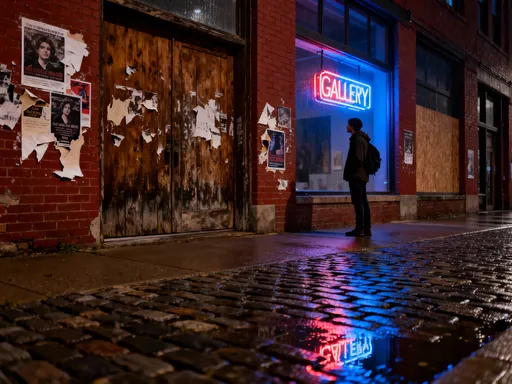
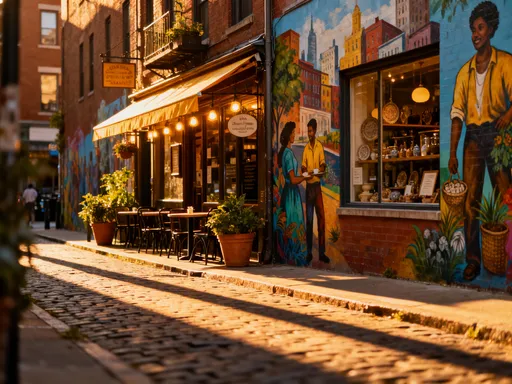
In RiNo, street art isn’t just decoration—it’s a form of civic dialogue. Walls change with the seasons, responding to current events, social movements, and neighborhood pride. Unlike downtown galleries where art is protected behind glass, here it’s exposed to the elements, meant to be lived with, not just viewed. Walking through the district, you’ll see murals celebrating Chicano heritage, honoring firefighters, or calling for environmental justice. Each piece tells a story rooted in place, created by people who live and work nearby.
South Broadway hosts a thriving indie theater scene, where small companies produce original works on tight budgets but with big hearts. Performances might take place in converted storefronts or basement venues, with audiences seated on folding chairs. There’s no orchestra, no fancy costumes—but there’s passion, vulnerability, and a deep connection to the community. These shows often tackle local issues: gentrification, housing insecurity, the changing face of the city. They’re not always polished, but they’re real.
Equally compelling are the quiet history projects scattered across Denver. In Five Points, once known as the “Harlem of the West,” local groups preserve the legacy of jazz, Black entrepreneurship, and civil rights activism. Walking tours led by descendants of early residents offer intimate glimpses into a past that mainstream museums often overlook. These experiences don’t fit neatly into a tourist itinerary, but they leave a lasting impression—because they’re not performed for visitors, they’re shared with them.
Timing and Access: Why When You Go Matters
Even the most authentic cultural experience can be ruined by poor timing. A weekend visit to a popular mural district might mean battling traffic and selfie sticks, while a weekday evening show at a neighborhood theater could be nearly empty and deeply engaging. Understanding the rhythm of Denver’s cultural life is essential for meaningful connection.
Many institutions operate on schedules that prioritize convenience over quality. Weekend hours attract the largest crowds, but also the most noise and congestion. Free days, as previously noted, often fall on weekends, compounding the issue. Meanwhile, weekday mornings—when schools bring field trips or seniors attend special programs—can be equally packed. The sweet spot for a calm, reflective visit is often Tuesday or Wednesday midday, when locals are at work and tourists haven’t yet arrived in force.
Seasonality also plays a role. Outdoor murals are best viewed in spring and fall, when lighting is soft and temperatures are mild. Summer brings festivals and street fairs, which can be joyful but overwhelming. Winter offers quieter access to indoor spaces, though some smaller venues reduce hours or close temporarily during the holidays. Checking local event calendars, such as those published by the Denver Arts & Venues department or neighborhood associations, helps travelers align their visits with optimal conditions.
Equally important is respecting the pace of community spaces. Unlike commercial attractions designed for high turnover, grassroots venues often operate on volunteer time and limited resources. Showing up unannounced during a rehearsal or community meeting can disrupt operations. A quick call or email ahead of time—asking about public hours or upcoming events—demonstrates respect and increases the chance of a warm welcome. These small courtesies go a long way in building trust and opening doors.
Building a Smarter Cultural Itinerary
The most rewarding cultural journeys aren’t measured by how many places you see, but by how deeply you connect. Instead of rushing from museum to gallery to festival, a smarter approach is to slow down, focus, and engage. This means choosing fewer venues, but spending more time in each. It means prioritizing interaction over observation, conversation over consumption.
Start by researching community-backed programs. Look for events co-hosted by local nonprofits, cultural associations, or neighborhood councils. These often feature artists, historians, and performers with deep ties to the area. Attend a panel discussion, join a workshop, or participate in a guided walk. These formats encourage two-way exchange, allowing visitors to ask questions, share perspectives, and leave with more than just a souvenir.
Supporting local artists directly is another powerful step. Instead of buying mass-produced merchandise at museum gift shops, visit artist-run cooperatives or craft fairs. Purchase a painting, a handmade print, or a piece of jewelry directly from the creator. Not only does this sustain the local creative economy, but it also creates a personal connection to the art. You’re not just taking home an object—you’re carrying a story.
Finally, embrace the unexpected. Some of the most memorable moments happen off-script: a chance encounter with a muralist at work, an impromptu music performance in a park, a conversation with a longtime resident at a neighborhood café. These unplanned interactions often reveal more about a city’s soul than any guided tour. By staying open, curious, and respectful, travelers can move beyond the surface and touch something real.
Conclusion
Downtown Denver offers impressive cultural landmarks—gleaming museums, elegant theaters, and well-organized festivals. But for all their shine, they don’t always reflect the city’s true character. The most meaningful experiences aren’t found in high-priced pop-ups or overcrowded free days, but in the quiet corners where culture is lived, not performed. From neighborhood murals to community theaters and local history projects, Denver’s authentic spirit thrives in places shaped by residents, not marketers.
The key to a richer visit isn’t seeing more—it’s seeing deeper. By asking questions, slowing down, and seeking out grassroots spaces, travelers can move beyond the traps of style-over-substance tourism. They can engage with culture as a living practice, not a packaged product. And in doing so, they don’t just witness Denver’s story—they become part of it. With thoughtful choices, every journey through the city can be not only memorable, but meaningful.